Blown at the furnace, finished in four minutes.
Mouth-blown glass from a two-person studio: tumblers, bottles, carafes and vases made one at a time on the pipe. No two are quite the same, and the page says where they differ.
From the furnace
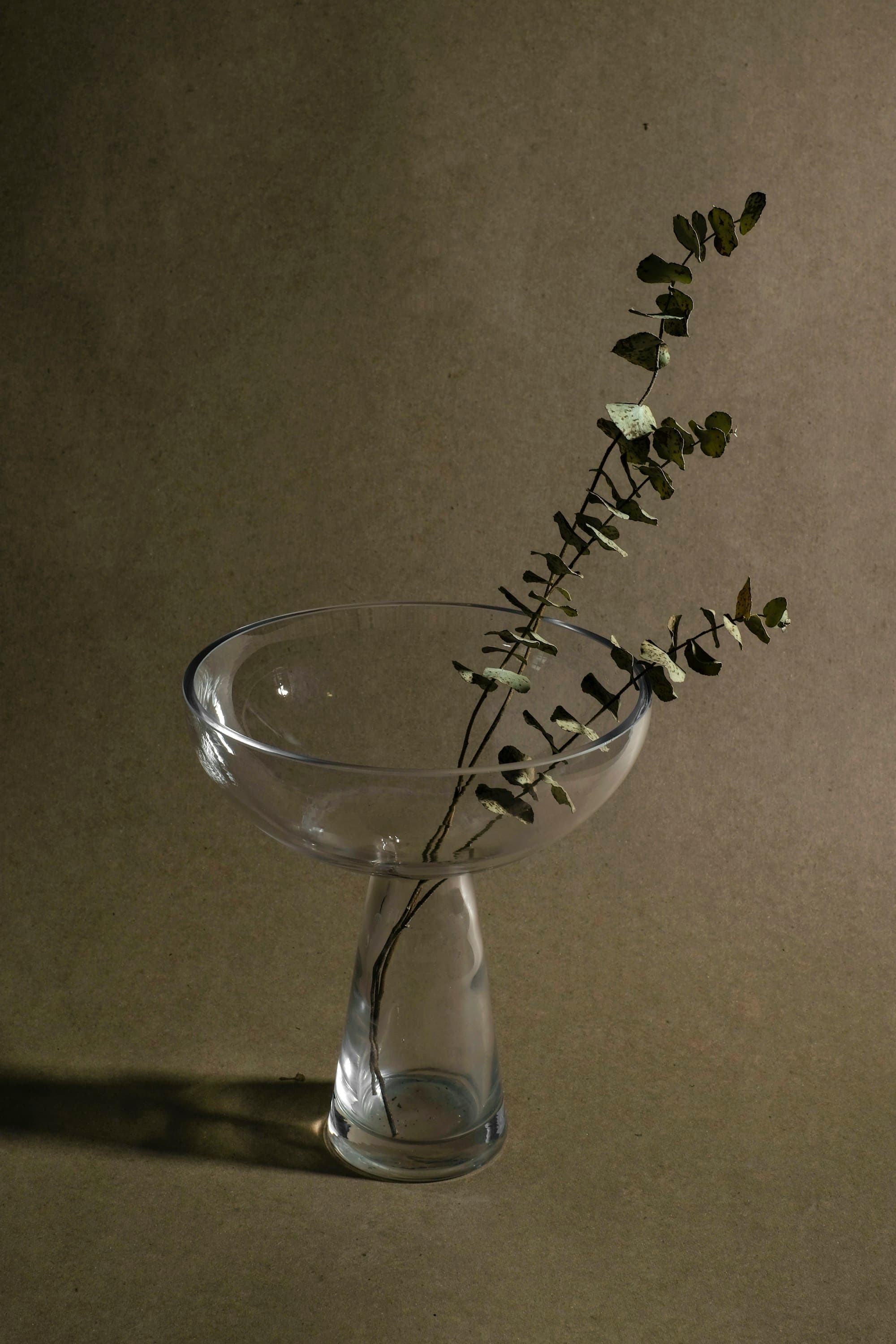
Stem vase, clear
from €28.00
- Material
- Mouth-blown, clear
- Size
- Holds 250 ml, 17 cm tall
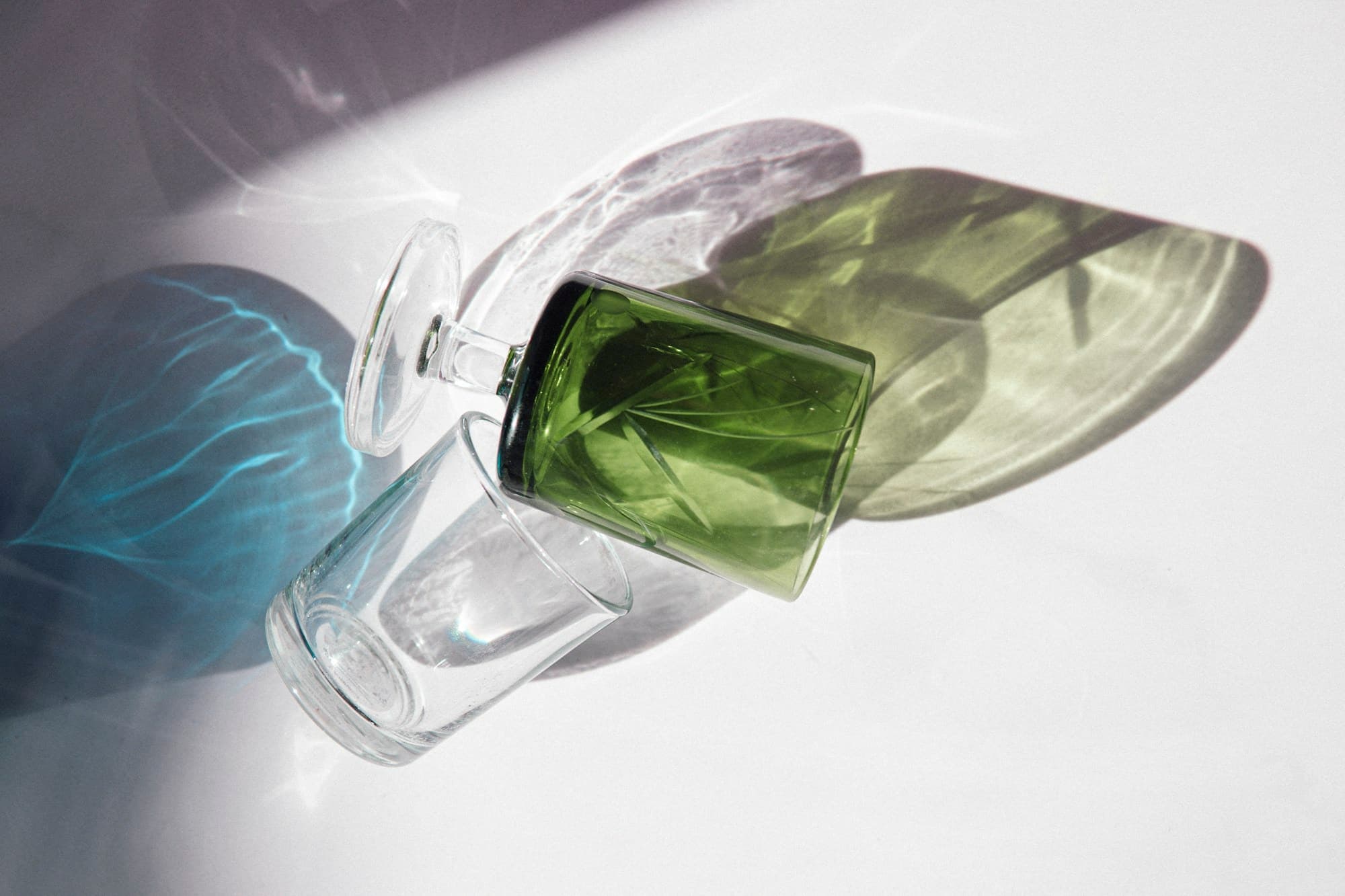
Bottle, moss
from €46.00
- Material
- Mouth-blown, moss green
- Size
- Holds 700 ml, 22 cm tall
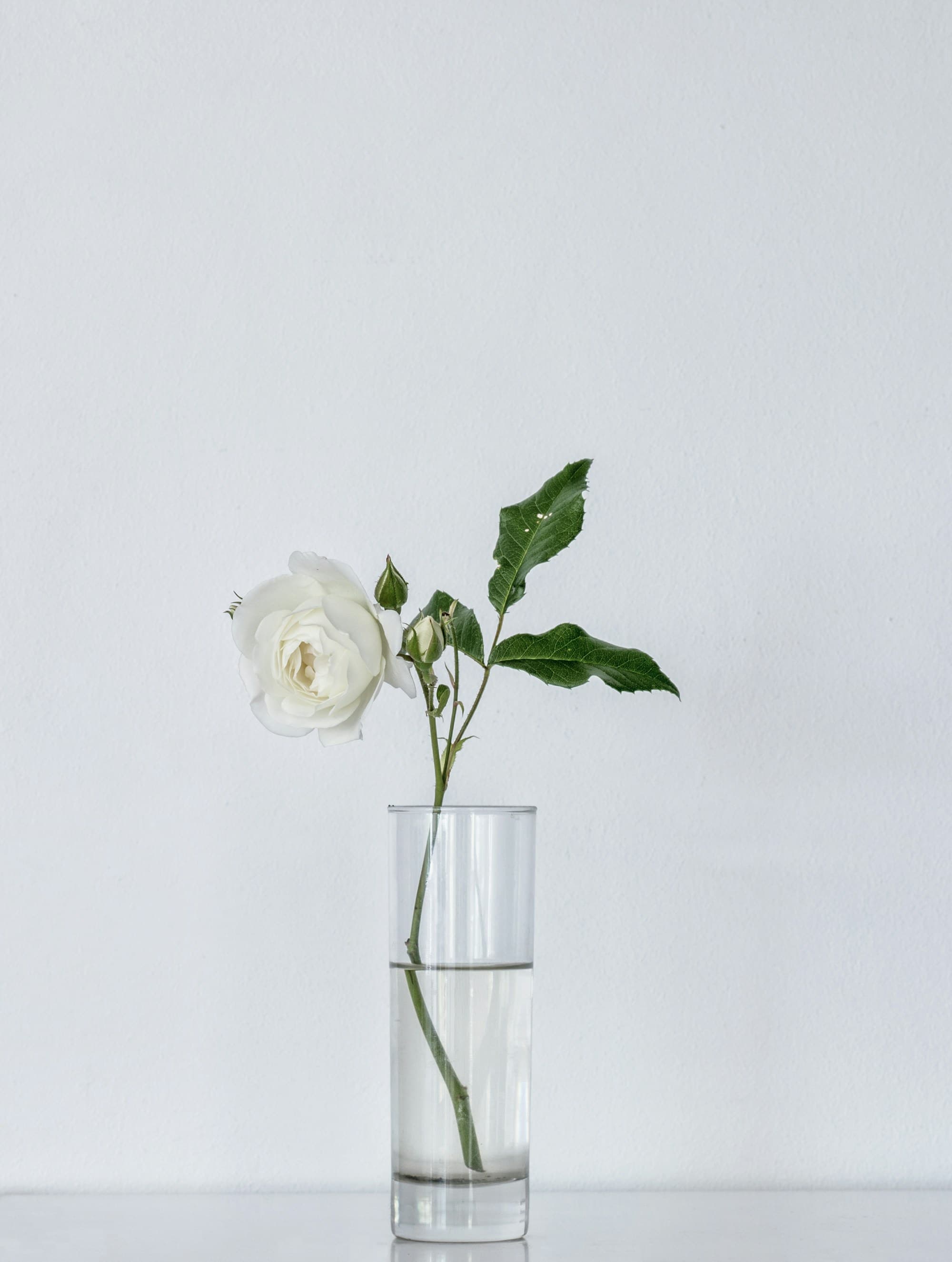
Bud vase, tall
from €34.00
- Material
- Mouth-blown, clear
- Size
- Holds 200 ml, 24 cm tall
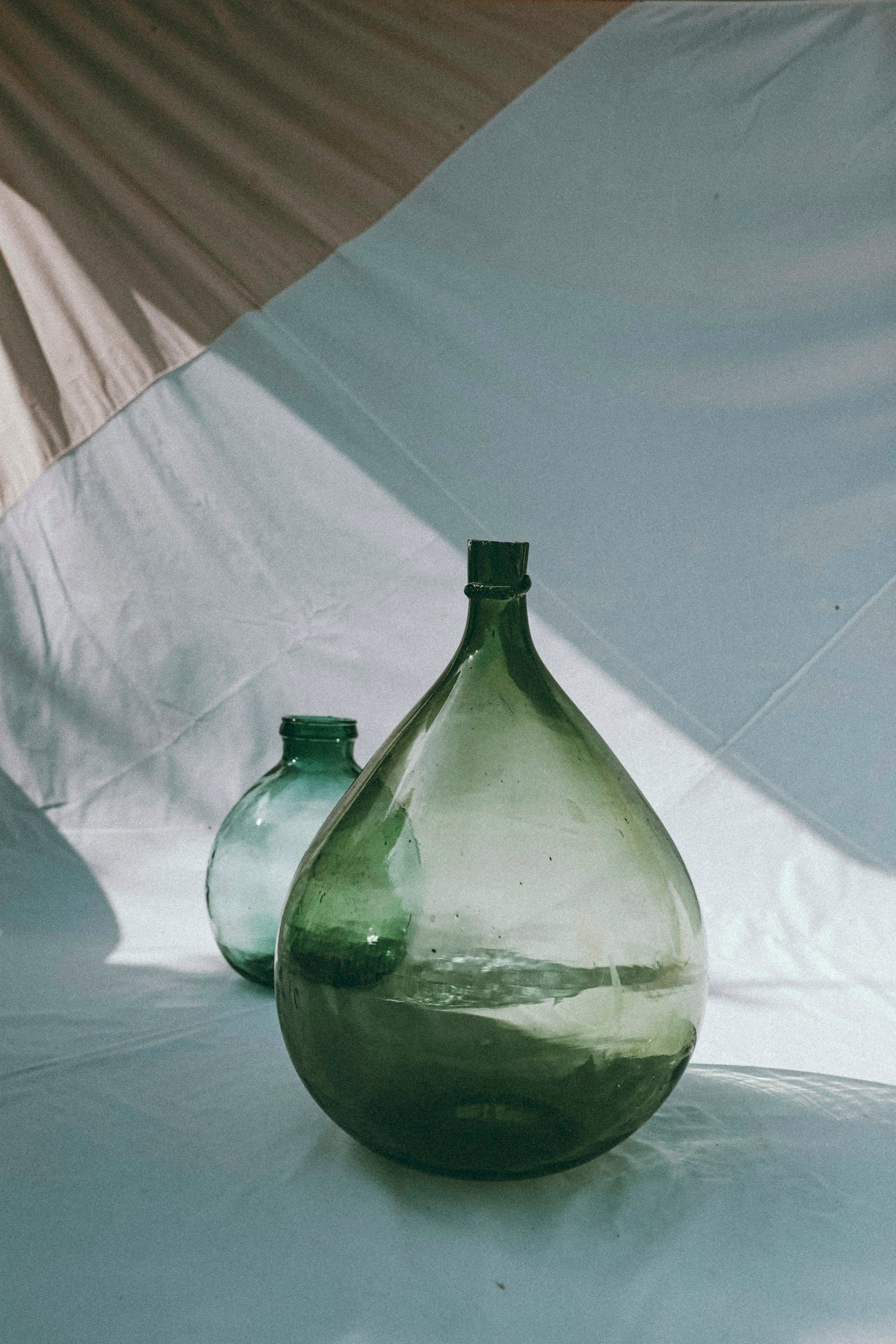
Demijohn, olive
from €120.00
- Material
- Mouth-blown, olive
- Size
- Holds 5 litres, 34 cm tall
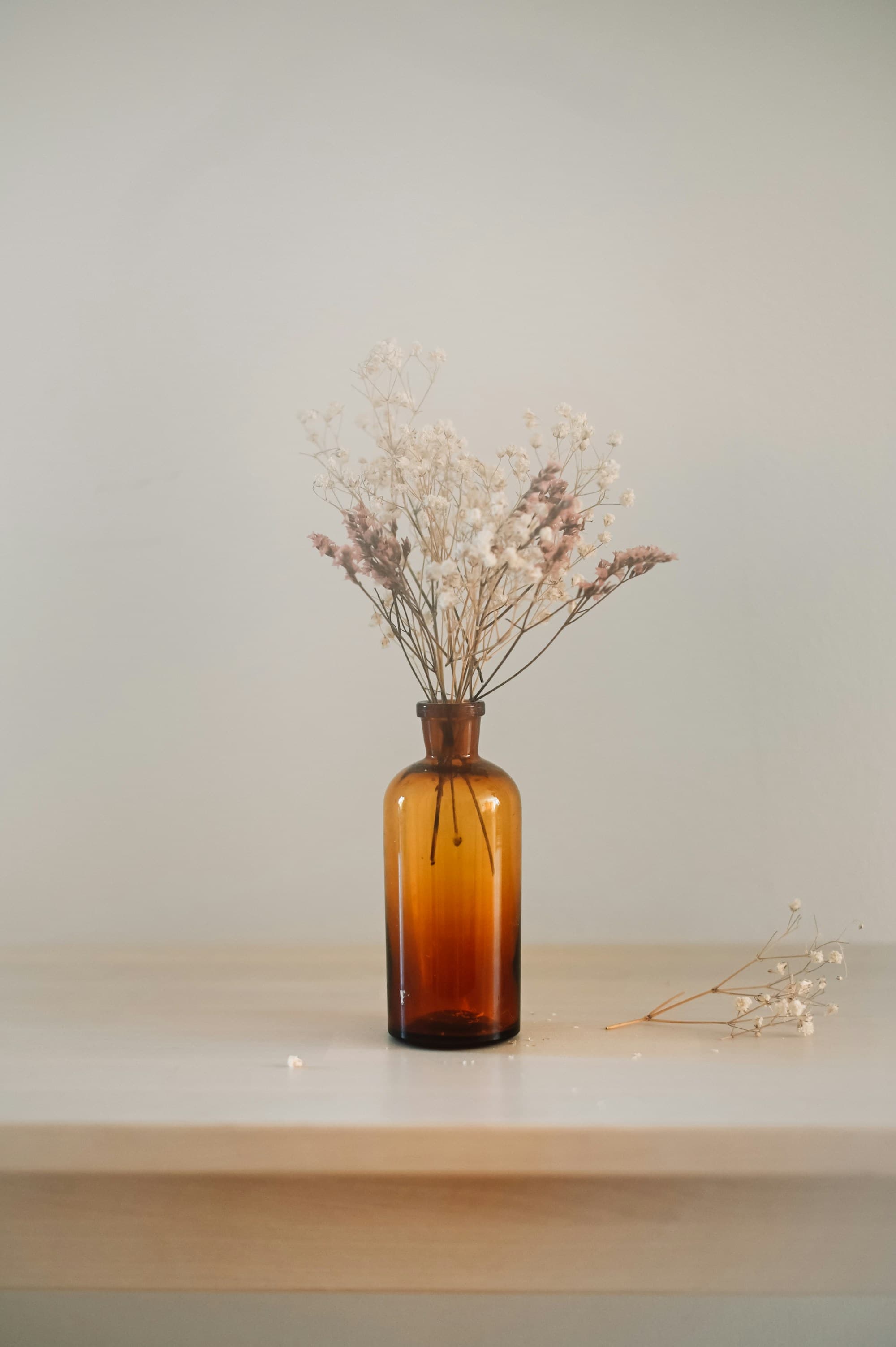
Apothecary bottle, amber
from €26.00
- Material
- Mouth-blown, amber
- Size
- Holds 400 ml, 18 cm tall
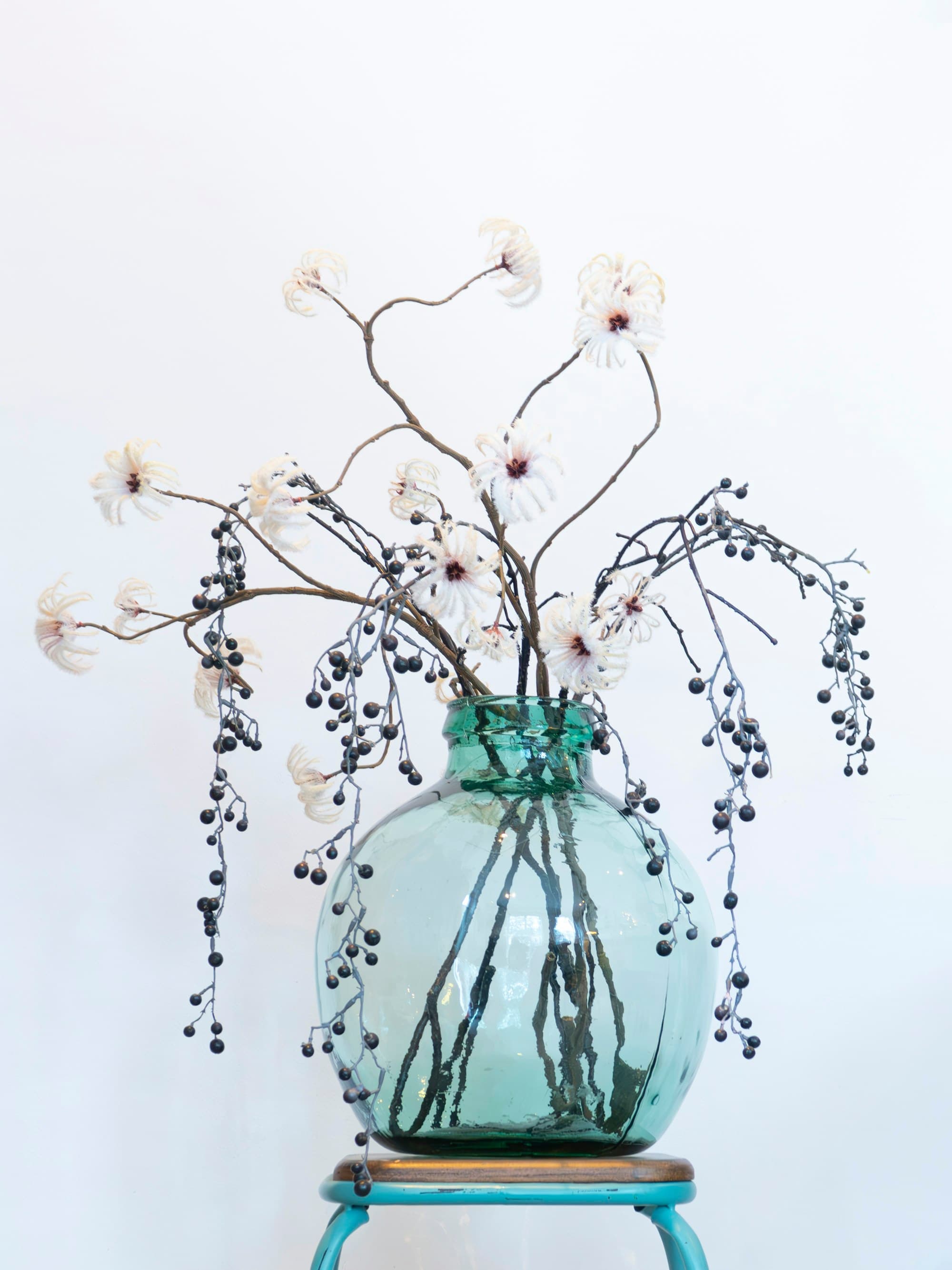
Vase, sea green
from €58.00
- Material
- Mouth-blown, sea green
- Size
- Holds 1.2 litres, 20 cm tall
Each piece, honestly
- Variation
- No two are the same height or weight. The listed size is within five millimetres, and the one in the photograph is not the one you get
- Bubbles
- Small seeds in the glass are part of mouth-blown work, not a fault. A piece with none of them was made by a machine
- Colour
- Mixed in the studio from batch. Two pieces blown in different weeks can differ a shade, which is why a set is blown in one day
- Care
- Warm water and a soft cloth. The dishwasher dulls blown glass within a year and nothing brings it back
- Seconds
- A lean, a chip in the pontil mark, a stray bubble in the wrong place: those go on the seconds shelf at half price, listed as what they are
A set, blown in one day
Pick the form, the colour and how many. The price follows as you choose, and the whole set is blown on the same day from the same batch of colour -- which is the only way six glasses match.
Four minutes at the pipe
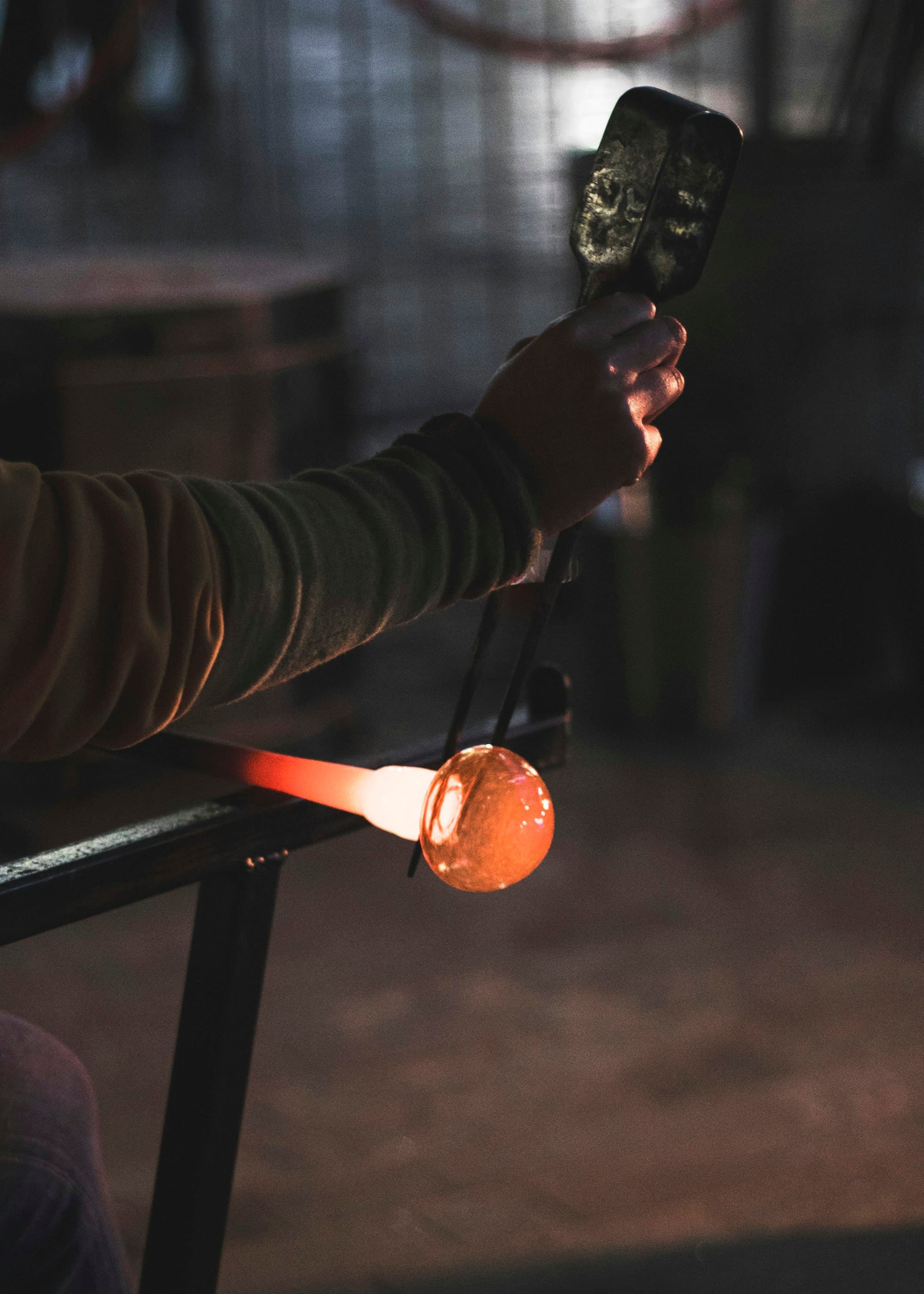
A gather of molten glass on the end of the pipe, a breath, a turn, a second gather, and a shape that has to be finished in the four minutes before it goes hard. Then a night in the annealer, cooling slowly enough not to crack -- which is why a piece made on Tuesday cannot be posted on Tuesday.
Two of us work the furnace, one blowing and one assisting, and we swap after lunch. The furnace runs day and night at 1100 degrees because lighting it costs more than keeping it going, and that is most of what a piece of glass costs.
“Everything goes out double-boxed and marked fragile. If it still arrives in pieces, send one photograph and another is blown on the next day at the furnace -- no argument, no form, and you keep the pieces.”
— On breakage